If you’re searching for “ZoomInfo vs RocketReach”, you’re likely trying to figure out which tool is a better fit for finding and contacting the right people.
Both are well-known platforms, but they serve different types of teams and goals.
This guide will compare them so you can quickly understand the main differences and choose the one that matches your workflow, budget, and outreach style.
Let’s get started.
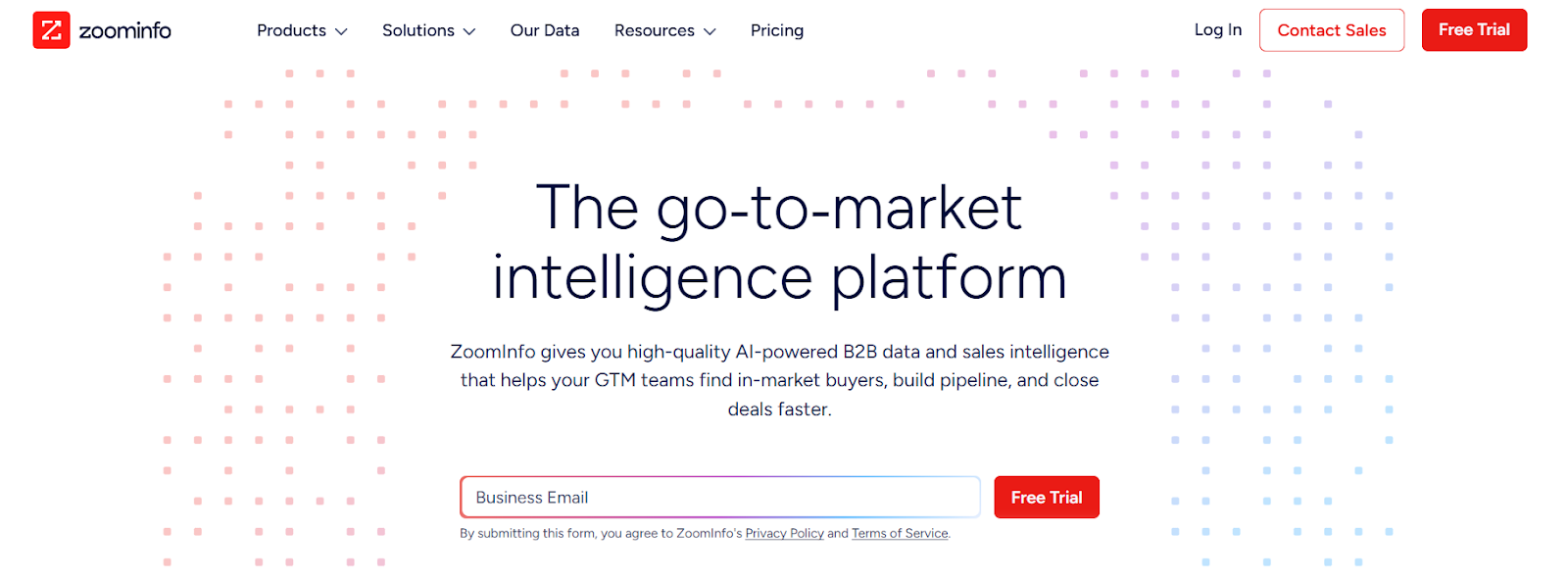
ZoomInfo is a go-to-market (GTM) intelligence platform built to help businesses find, prioritize, and connect with B2B buyers.
The platform provides high-quality B2B contact and company data, including verified business emails, phone numbers, and buyer signals.
A core part of ZoomInfo’s offering is its B2B data foundation, which includes firmographic, technographic, demographic, and intent insights.
This data helps teams expand their market, target the right accounts, and reach decision-makers more efficiently.
In addition to data, ZoomInfo includes AI-assisted automation and integrated outreach tools that support prospecting, campaign execution, account research, and sales workflows.
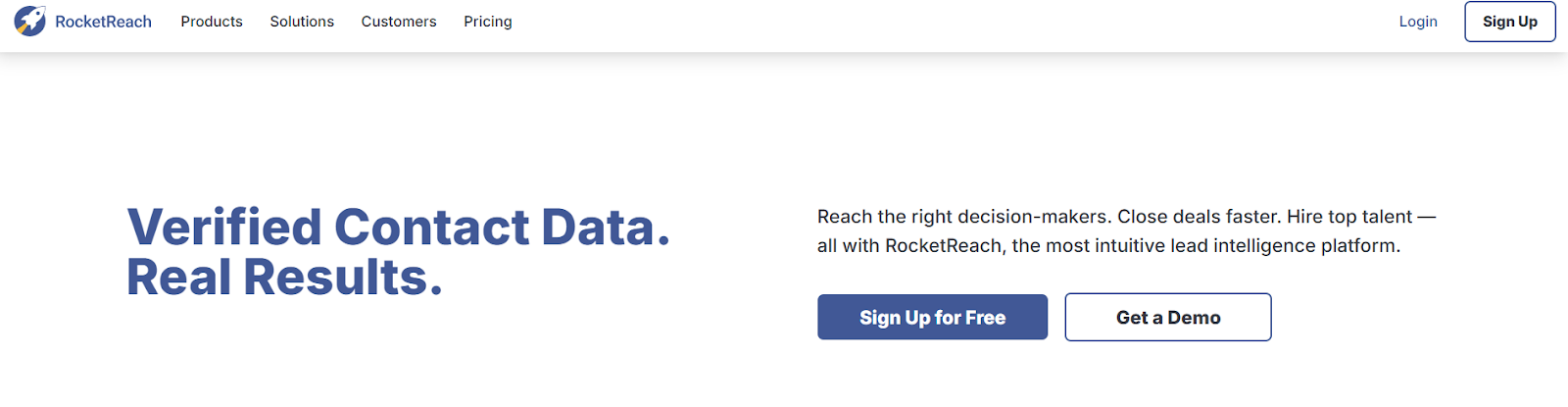
RocketReach is a lead intelligence platform designed to help teams connect with the right decision-makers, close deals faster, and hire top talent using verified contact data.
It combines ease of use with accurate data to simplify how teams find and reach professionals across industries.
RocketReach is known for being intuitive and focused on helping users get results quickly.
While many tools can be complex, RocketReach keeps things simple, giving users access to verified emails, phone numbers, and social profiles in just a few clicks.
When comparing ZoomInfo and RocketReach, it becomes clear that both platforms help teams connect with the right people, but in different ways.
Below are the five core areas where they differ based on the data you provided.
ZoomInfo and RocketReach both help teams reach the right people, but they serve different needs.
ZoomInfo focuses on go-to-market intelligence, helping teams find, prioritize, and connect with B2B buyers using structured data and integrated workflows.
RocketReach focuses on verified contact data, helping teams reach decision-makers and hire talent quickly with a simple experience.
RocketReach uses simple, published seat-based plans with monthly or annual billing.
Pricing depends on whether you need email only or email and phone data, plus how many lookups and exports you need each month.
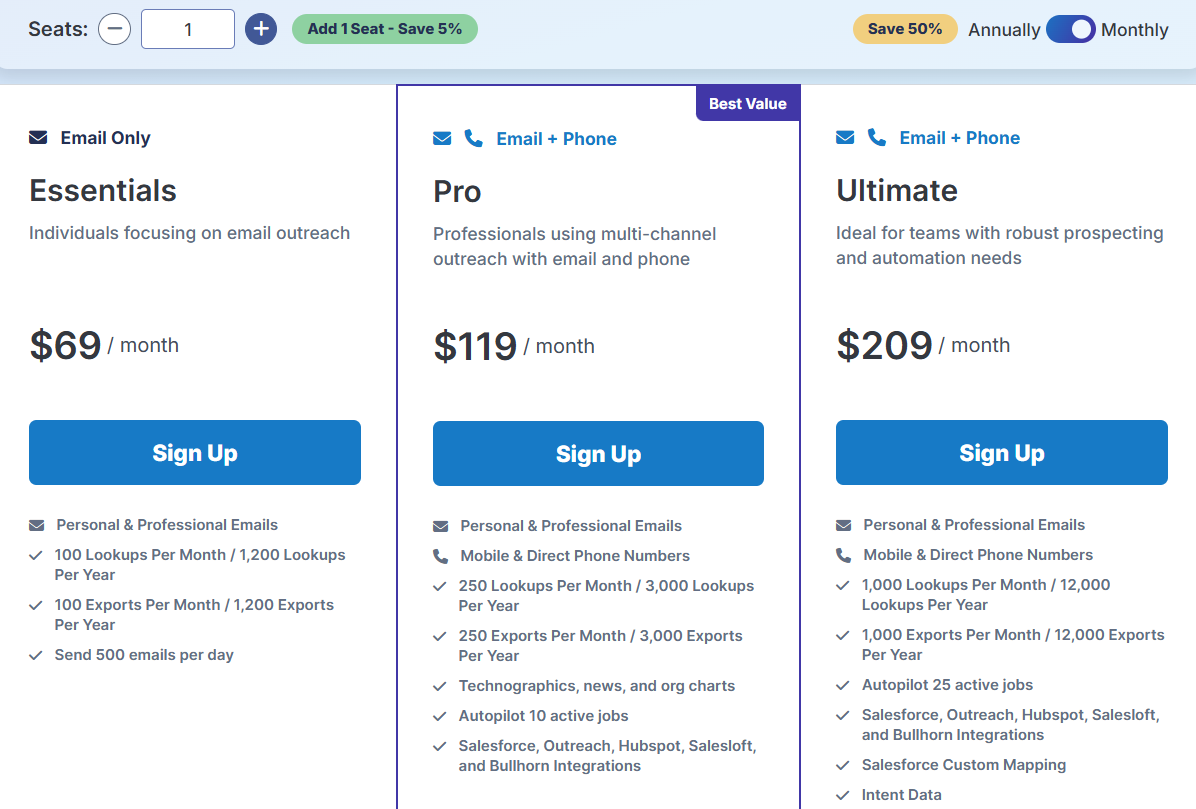
Plans include Essentials ($69/mo), Pro ($119/mo), and Ultimate ($209/mo), and larger teams can move to custom plans starting at $6K annually.
ZoomInfo does not publish flat per-seat pricing. Instead, it offers flexible packages across different solutions, Sales, Marketing, and Talent.
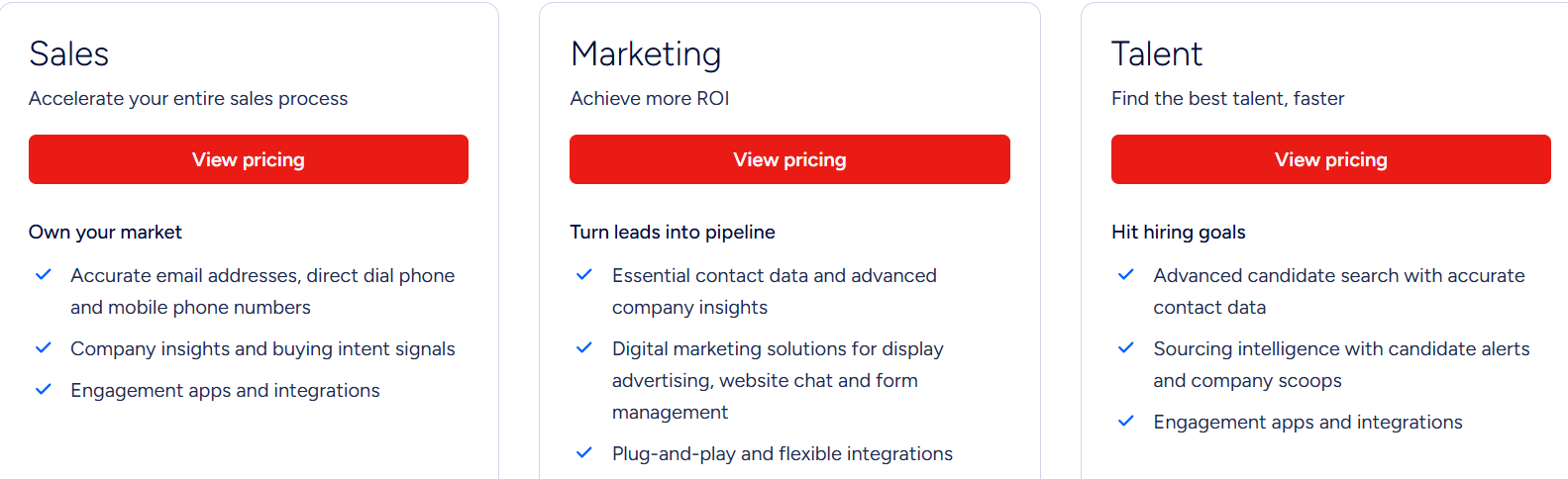
Actual pricing depends on features, the number of licenses, and credit usage.
Credits are consumed when exporting company or contact profiles, and customers can add more credits as usage increases.
Add-ons (such as intent data) and integrations can also change the final cost.
RocketReach makes pricing simple and predictable with published plans, while ZoomInfo uses flexible, usage-based packages that adjust to each team’s size and data needs.
RocketReach puts accuracy on verified contact details. It checks emails and phone numbers before showing them and claims up to 98% accuracy on verified emails.
RocketReach covers 700M+ professionals and 35M+ companies, so users can pull work and personal emails, plus mobile and direct phone numbers depending on the plan.
ZoomInfo provides contact and company data as part of its Sales, Marketing, and Talent packages.
Data is exported using credits, and teams can add more credits when usage increases.
Extra features like intent data or integrations can expand what type of information is available inside the platform.
Simple takeaway: RocketReach focuses on highly verified contact details for outreach, while ZoomInfo includes broader company and contact data that can change based on packages and credits.
RocketReach makes prospecting quick and simple. You just search by name, company, or domain, and instantly get verified emails and phone numbers.
It offers filters like job title, location, and company size to narrow your results.
Once you find the right contact, you can export or integrate it with tools like Salesforce or HubSpot.
It’s a simple, search-and-go workflow with minimal setup.
ZoomInfo offers a more advanced and layered approach.
Prospecting involves more than just finding contacts. You can access company insights, org charts, intent signals, and job changes.
You can also prioritize accounts with tools like account scoring, workflows, and alerts.
It’s built for teams that want deep research, automation, and tight CRM integrations as part of the process.
RocketReach is ideal if you want fast, verified contact data with no setup.
ZoomInfo is better if your team needs detailed company intel, automation, and sales workflows for deeper prospecting.
RocketReach scales mainly by adding more seats and higher lookup limits.
If a team grows, they upgrade their plan, buy more lookups, or move to a custom contract (which starts from ~$6K/year).
It’s flexible for growing sales teams, but still centered around contact search and enrichment.
ZoomInfo scales much deeper across the full GTM stack.
As teams grow, they can expand into sales, marketing, talent, data enrichment, intent signals, workflows, and AI automation.
Users can add more licenses, credits, add-ons, and integrations as growth increases. ZoomInfo is built for enterprise-level GTM operations.
RocketReach scales well for teams that just need more contacts and exports as they grow.
ZoomInfo scales better for companies that want full sales and marketing intelligence, AI, and automation as headcount and complexity increase.
ZoomInfo and RocketReach are both solid tools, but they serve different types of teams.
If your goal is to get verified contact info quickly with simple pricing and no complex setup, RocketReach fits well.
It’s easy to use, supports email and phone data, and works for freelancers, SDRs, small teams, and agencies.
If you need a full go-to-market data system with intent signals, AI, territory management, CRM integrations, and multiple team workflows, ZoomInfo is the stronger choice.
So the best platform depends on how big your team is, how deep your data needs are, and how much you want to automate.
But if your main goal is simply to get clean, verified B2B leads without the heavy setup, Leadsforge stands out.
You just describe who you want, and Leadsforge delivers clean, ready-to-use leads.
And when you want to start outreach, you can push those leads straight into Salesforge and run multichannel sequences right away.
Try Leadsforge now with 100 free credits!