If you’re doing outbound sales in 2025, you’ve probably come across Lemlist and Apollo.
Both tools are popular for sales outreach, but they help teams grow in very different ways.
Lemlist is known for personalized cold emails that feel human, while Apollo focuses on scale with a massive lead database and built-in sales tools.
So when it comes to growing your outreach without hurting deliverability or wasting time, which one actually scales better?
In this guide, we’ll break down Lemlist vs Apollo across the areas that matter most, features, pricing, deliverability, AI, and ease of use, so you can choose the tool that fits your sales team, workflow, and growth goals.
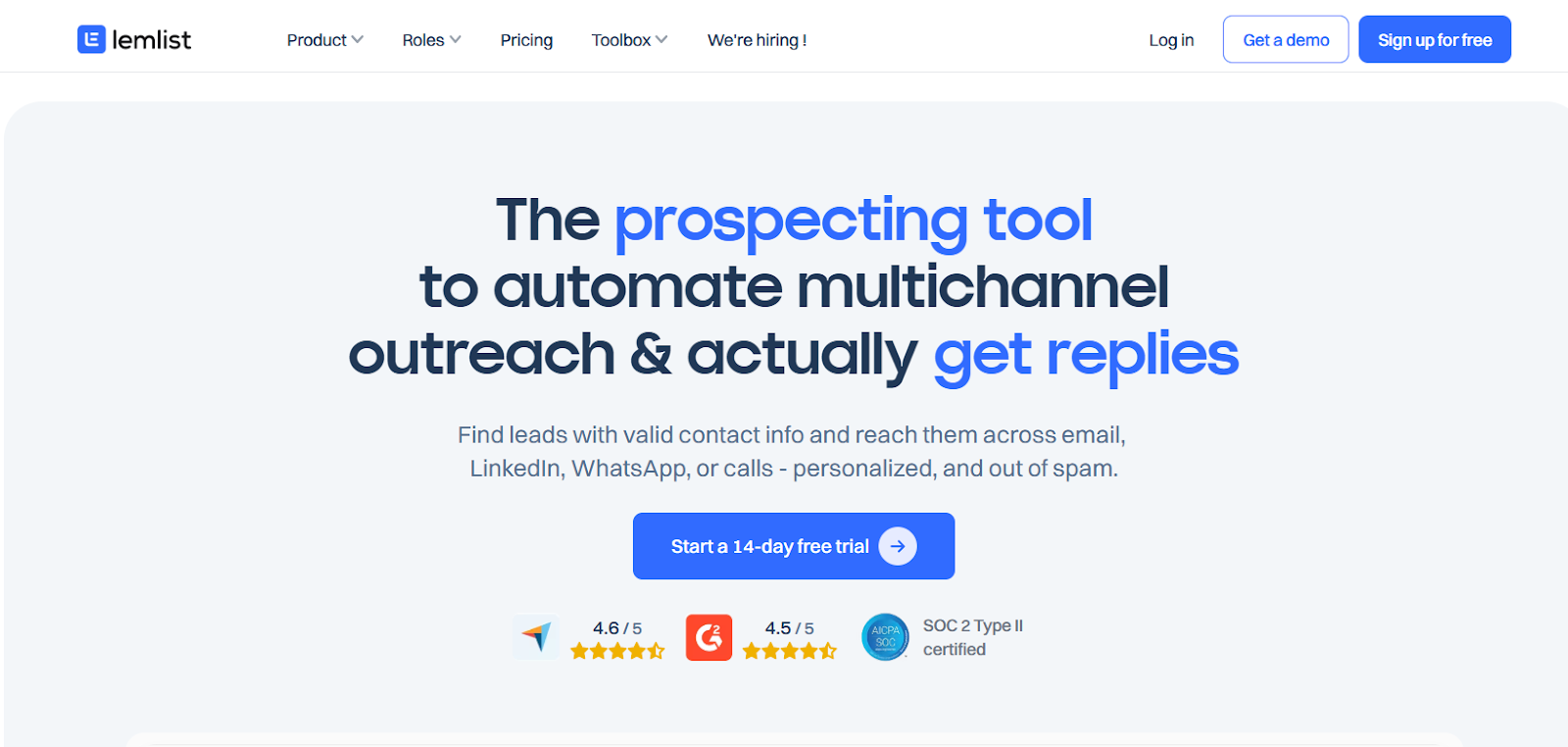
Lemlist is a sales outreach tool that helps teams find leads and contact them across multiple channels from one place.
You can reach prospects through email, LinkedIn, WhatsApp, and calls, all inside a single sequence.
Lemlist also includes a large B2B lead database and tools to enrich contacts with verified emails and phone numbers.
Lemlist focuses strongly on personalization.
You can personalize emails with text, images, videos, and landing pages using real lead data, so messages feel human and not automated.
To protect inbox placement, Lemlist includes Lemwarm, a built-in email warm-up tool that helps keep emails out of spam.
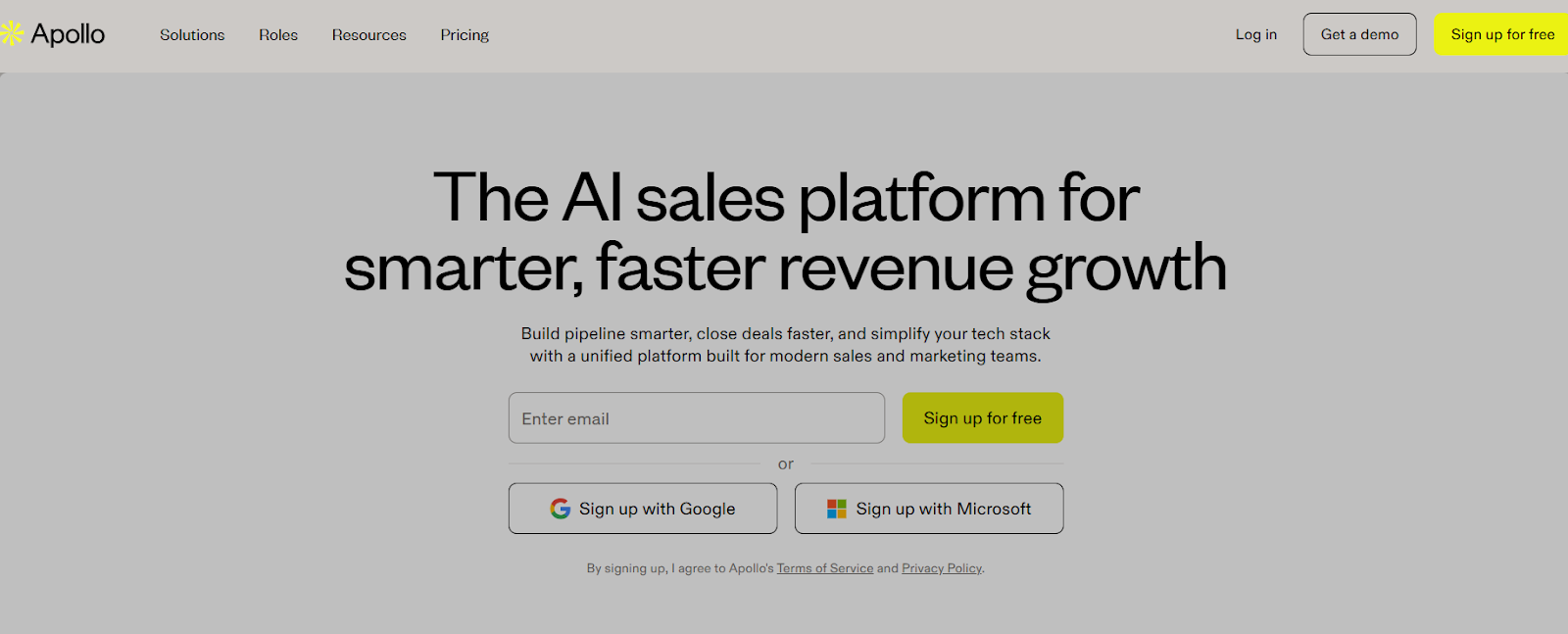
Apollo is a sales intelligence and outreach platform built for teams that want to find leads, send emails, and track performance at scale.
Apollo includes a large B2B contact database, so you can search for companies and people using filters like job title, company size, industry, and location.
You can then contact those leads using email, LinkedIn, or calls, all from one platform.
Apollo puts a strong focus on deliverability and control. It offers email warmup for new domains and inbox ramp-up for existing mailboxes.
You can set daily and hourly sending limits, add unsubscribe links, and monitor mailbox health to protect your sender reputation.
For teams and admins, Apollo provides a Deliverability Suite.
This shows domain health, mailbox performance, open rates, reply rates, and bounce rates, so issues can be spotted early.
Let's have a quick look at the 5 key differences between Lemlist and Apollo:
Lemlist and Apollo both support outbound sales, but they are built for different needs.
Lemlist focuses on personalized outreach that helps messages feel human and get replies.
Apollo focuses on managing outbound sales at scale, from finding leads to tracking performance.
Here’s a quick feature comparison:
So, if your goal is to stand out with highly personalized outreach across multiple channels, Lemlist is the better choice.
If you need a single platform to find leads, manage outreach, and track sales performance at scale, Apollo is the stronger option.
Lemlist and Apollo use very different pricing models, and this matters a lot when you start scaling outreach.
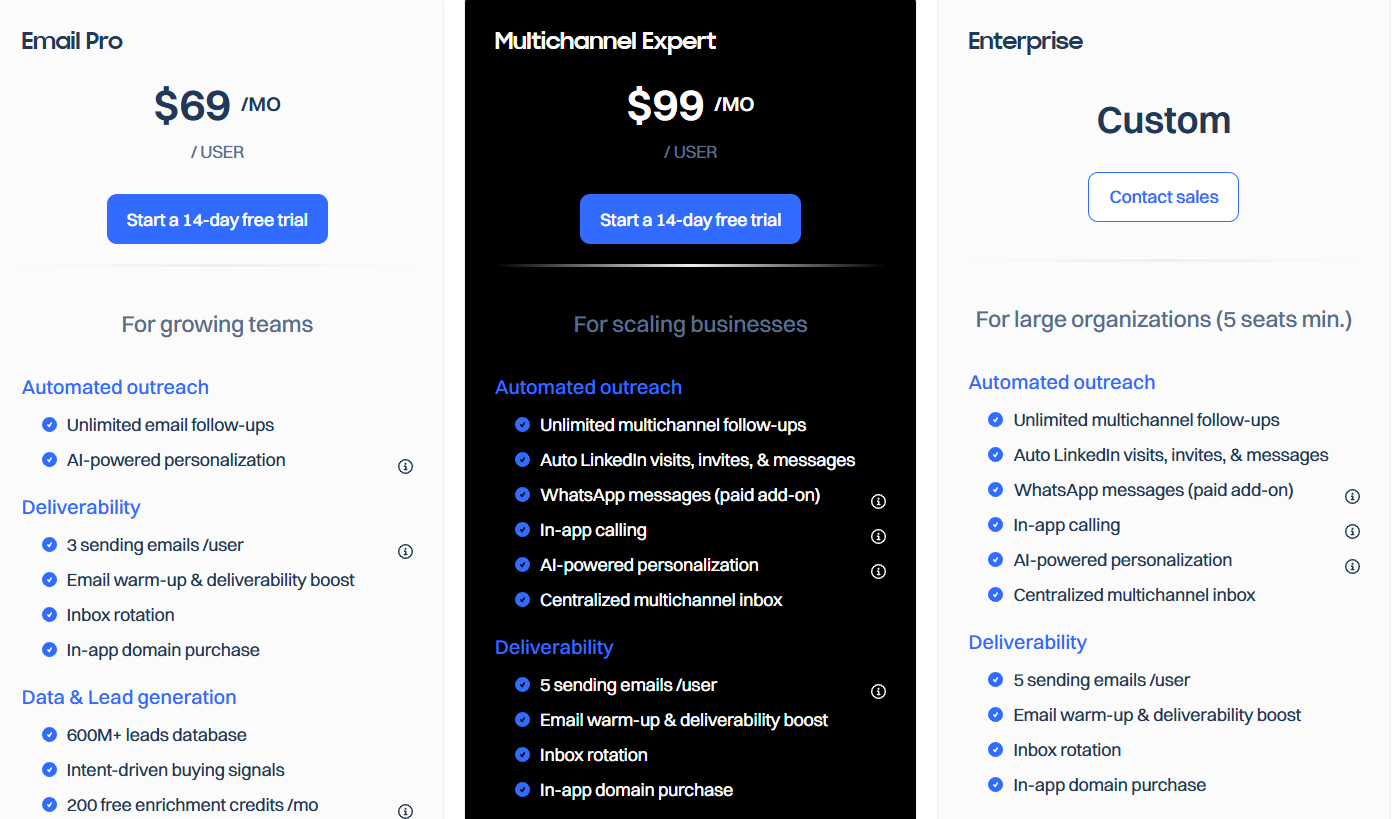
Lemlist charges per user. Each seat includes outreach features, personalization tools, and access to deliverability features like Lemwarm.
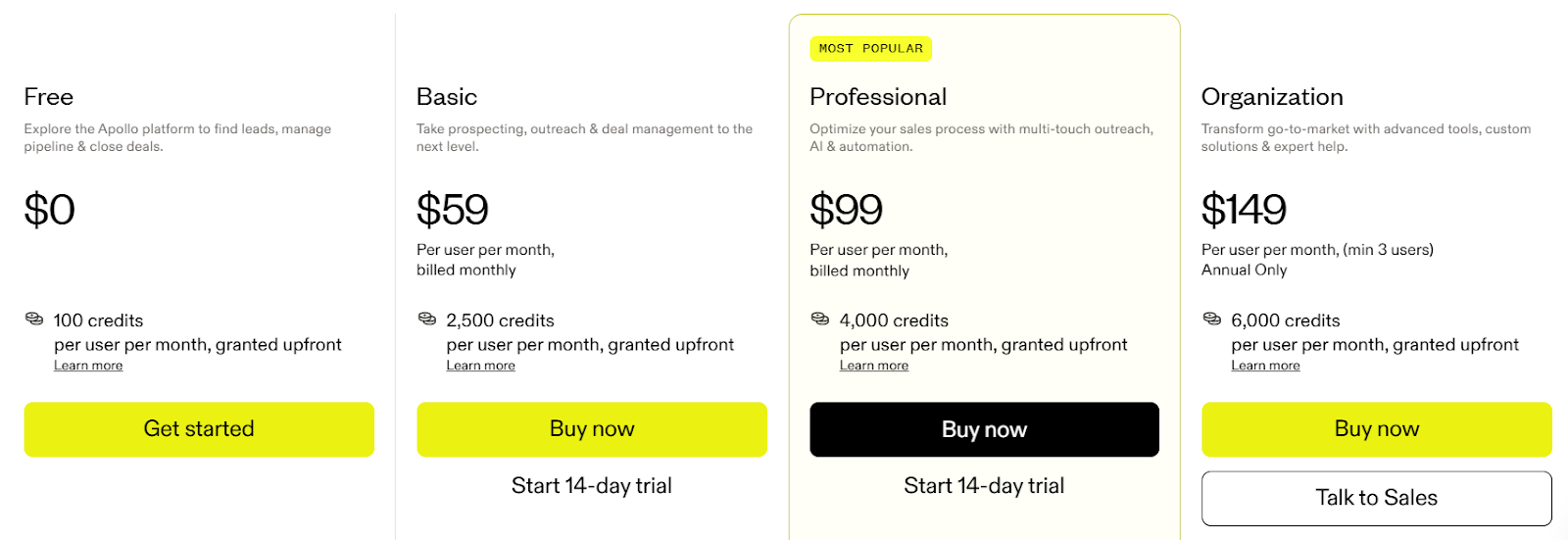
Apollo also charges per user, but its pricing is tied closely to how much data, AI, and analytics you need.
As you move up plans, you unlock more AI features, higher limits, and deeper reporting.
This makes Apollo more expensive as teams grow, but also more powerful for larger sales orgs.
So, when it comes to pricing, the right choice depends on how you plan to scale.
Email deliverability decides if your emails reach the inbox or go to spam.
Both Lemlist and Apollo help with deliverability, but they do it in different ways.
Lemlist is made for easy and automatic deliverability.
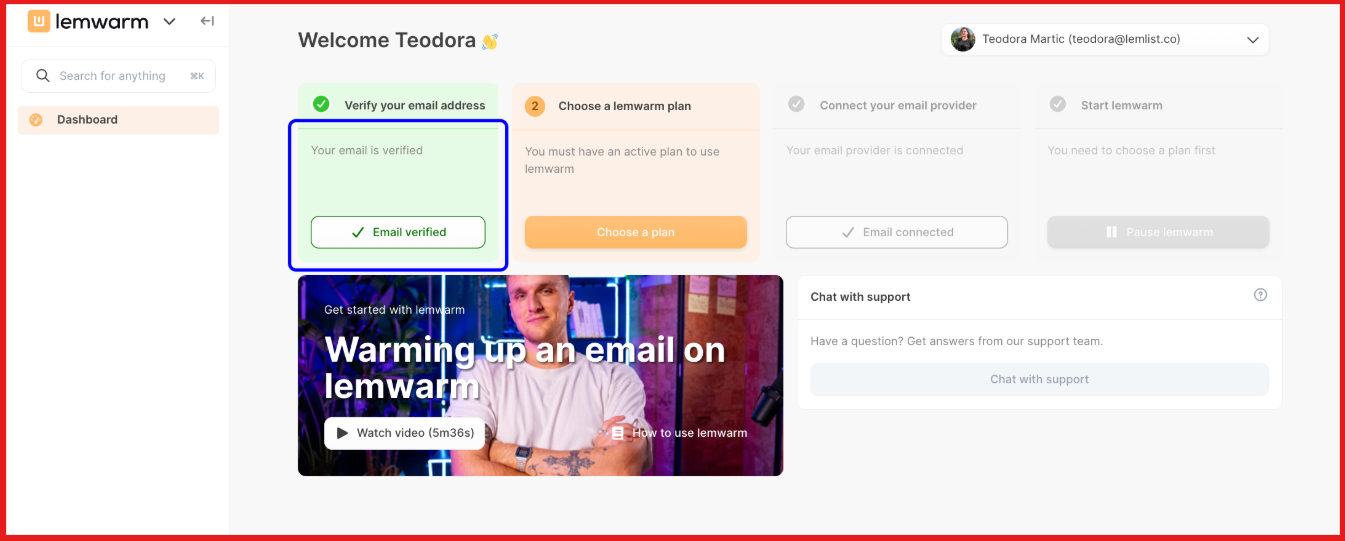
It comes with Lemwarm, which warms up inboxes by sending and replying to real emails.
Lemlist also helps you follow best practices like safe sending limits, inbox rotation, and proper domain setup.
Most deliverability work runs in the background, so you don’t need to manage much.
Apollo gives you more control and more data.
It offers email warmup for new inboxes and inbox ramp-up for older inboxes.
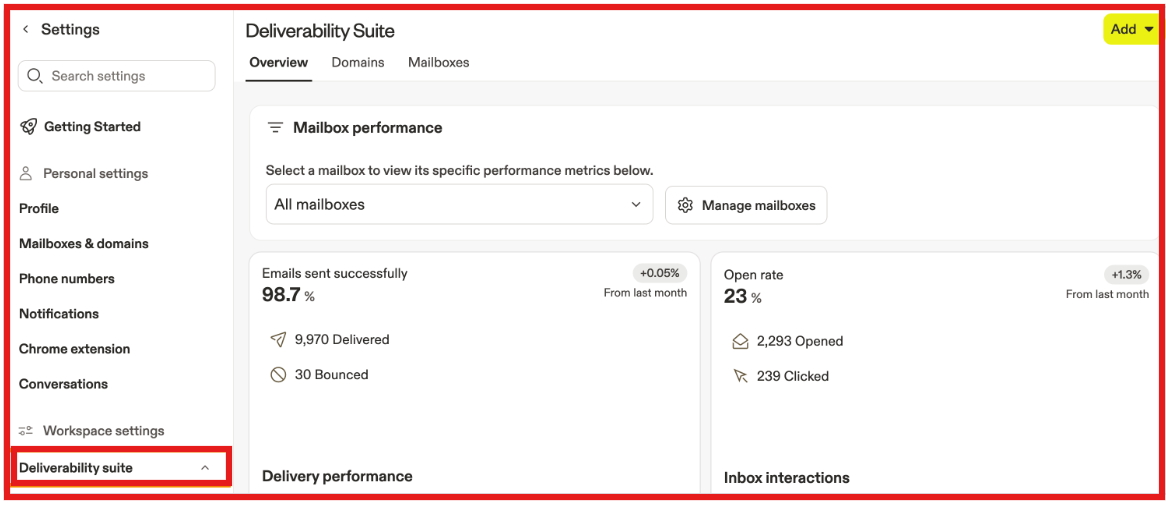
Apollo also has a Deliverability Suite that shows mailbox health, domain health, spam rate, bounce rate, and a deliverability score.
It tells you what’s wrong and how to fix it. This is useful for teams sending at scale.
In short, Lemlist focuses on simplicity, while Apollo focuses on visibility and control.
When outreach grows, the problem is no longer writing emails.
The real challenge is increasing volume without hurting deliverability, losing replies, or creating an operational mess.
Both Lemlist and Apollo allow you to send outreach at scale, but they handle growth in very different ways.
The difference shows up when you start adding more inboxes, sending more emails per day, and managing ongoing campaigns over time.
To understand which tool truly scales better, we need to look at how each platform increases volume, how it protects inbox health, and what happens when outreach gets bigger and more complex.
The table below breaks down these scaling factors feature by feature.
In short, Lemlist scales by keeping email sending safe and controlled, while Apollo scales by adding structure, automation, and visibility as outreach grows.
Lemlist and Apollo both include a built-in lead database, so you don’t need external tools to find prospects.
Lemlist keeps lead generation simple and close to outreach.
You search its 600M+ lead database, enrich contacts with emails, phone numbers, and LinkedIn profiles using waterfall enrichment, and move leads straight into multichannel sequences.
There are fewer steps before you can start sending.
Apollo handles lead generation inside a larger sales workflow.
You search a large database, apply advanced filters and intent data, enrich contacts, and then push leads into CRM pipelines and sales sequences.
This gives more control, but it also adds setup.
Here’s a quick comparison between Lemlist and Apollo:
If your goal is outreach, Lemlist and Apollo are ideal.
But if your main challenge is finding clean, verified leads before outreach even begins, this is where a tool like Leadsforge fits better.
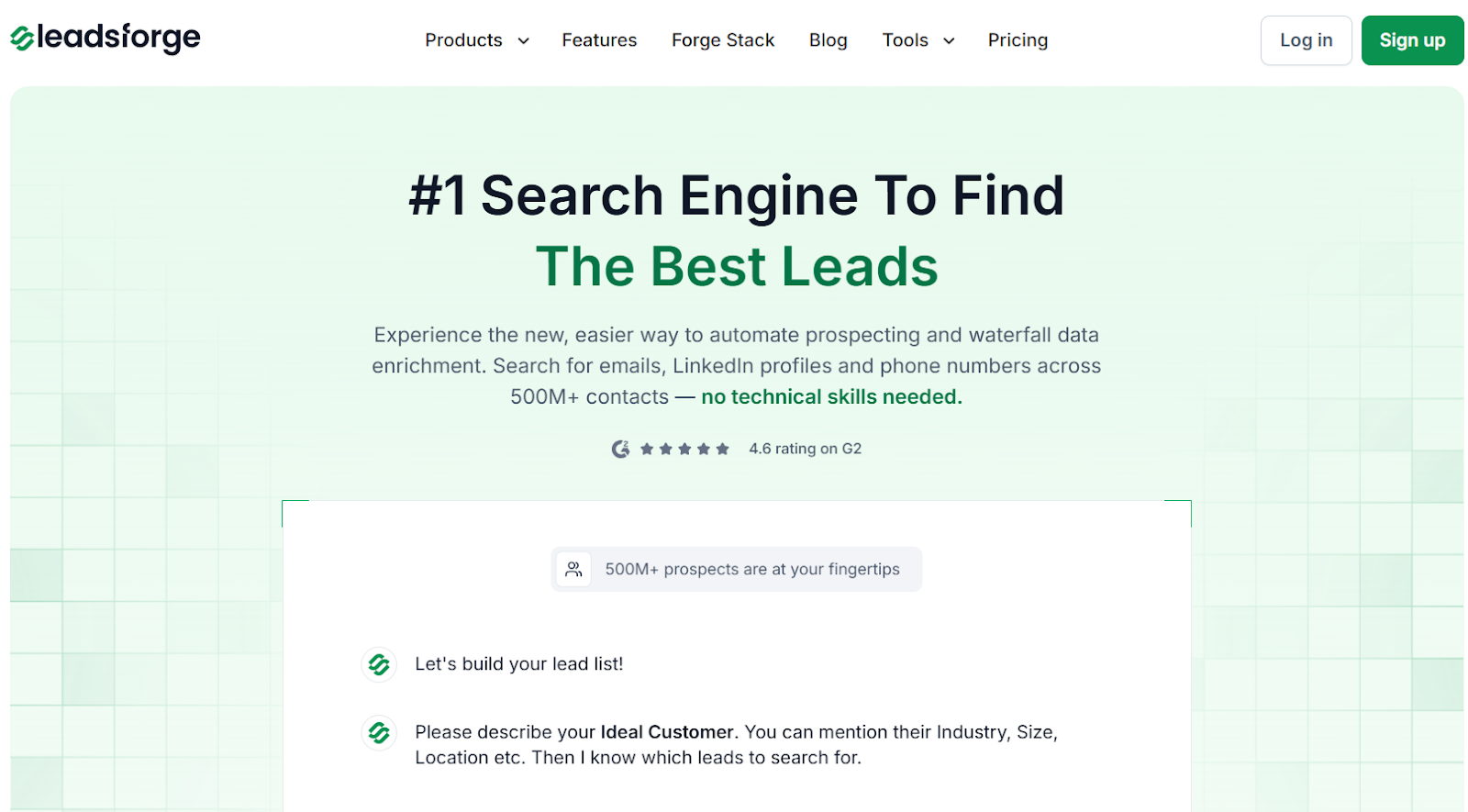
Leadsforge is built only for lead generation.
Unlike Lemlist and Apollo, it doesn’t mix in outreach or CRM features.
That makes it simpler, faster, and more focused.
You describe your ideal customer in plain language.
Leadsforge searches across 500M+ contacts, runs waterfall enrichment to find verified emails, phone numbers, and LinkedIn profiles, and gives you a clean list ready to export.
It’s ideal if your goal is just to find and verify leads, not manage campaigns.
Bonus: Leadsforge works with Salesforge, so you can launch multichannel outreach immediately after generating leads.
If your priority is finding verified leads fast, Leadsforge is the simplest and most focused option.
Lemlist and Apollo are both strong tools, but they solve different problems.
If your focus is running outreach campaigns and managing follow-ups, Lemlist fits well.
If you need a full sales system with pipelines, reporting, and CRM-style control, Apollo is a better choice.
But if your main goal is finding high-quality, verified leads quickly, Leadsforge stands out.
It removes the complexity from lead generation. You don’t deal with heavy filters, long setup, or multiple tools.
You simply describe who you want to reach, and Leadsforge delivers clean, ready-to-use leads.
And when you’re ready to reach out, you can push those leads straight into Salesforge and start multichannel outreach right away.
Try Leadsforge now with 100 free credits!